


On May 27, the “Economic Information Bulletin” program on CCTV’s Finance Channel aired a special report titled “Copper Industry Watch,” featuring back-to-back segments: “Jiangxi: Copper Prices Continue to Rise as Mining Companies Operate at Full Capacity” and “Intensifying Competition in Emerging Industrial Chains Drives Copper Processing Firms to Boost R&D to Cut Costs and Improve Efficiency.” The reports focused on how, against the backdrop of rising copper prices, Jiangxi Copper’s mines are operating at full capacity, while processing firms—such as those producing copper foil—are increasing R&D investment, accelerating product iteration, and continuously enhancing their core competitiveness
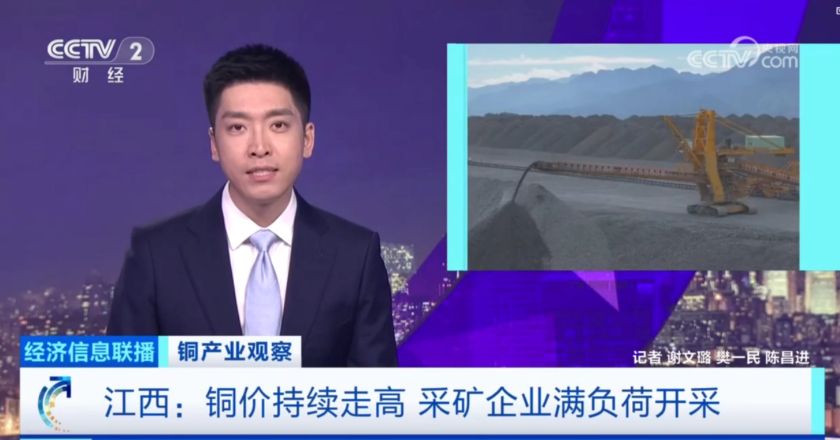
Jiangxi: Copper Prices Continue to Rise; Mining Companies Operating at Full Capacity
Copper is a key raw material underpinning the development of traditional manufacturing and is also essential for emerging industries such as AI. Since the beginning of this year, international copper prices have continued to rise. As of 5:00 p.m. on the 27th, the London Metal Exchange (LME) copper price stood at $13,638 per metric ton, remaining at a high level compared to recent years. Due to supply shortages of mid- and downstream products made from copper, upstream mines are operating at full capacity.
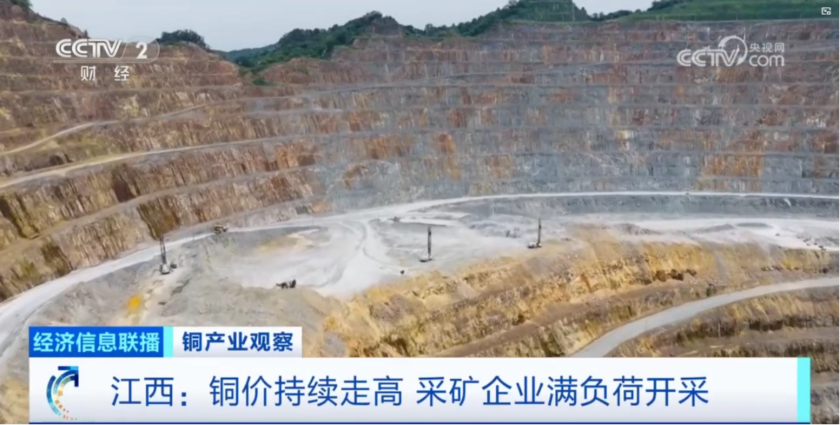
At a large copper mine in Dexing, Jiangxi, electric shovels are continuously transporting blasted ore to electric wheel loaders. According to staff, there are five electric shovels operating simultaneously at the mine, which is currently running at full capacity 24 hours a day, with an average daily output of 130,000 metric tons. After undergoing processes such as grinding and flotation, the ore will be processed into copper concentrate and supplied to downstream smelting enterprises.
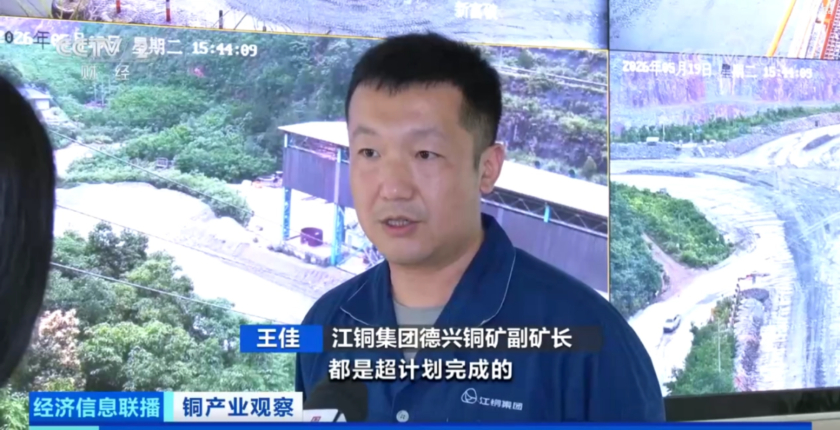
Wang Jia, Deputy Mine Manager of Jiangxi Copper Group’s Dexing Copper Mine: “Not only in the first quarter, but continuously since the beginning of the year, both the total ore output and overburden removal have exceeded plan targets.”
The official told reporters that since the beginning of this year, demand from downstream enterprises has been robust, copper prices have continued to rise, and the mine’s profitability has improved. Even low-grade ore—which was previously constrained by costs and yielded poor returns—has seen its value increase and has been included in the mining schedule.
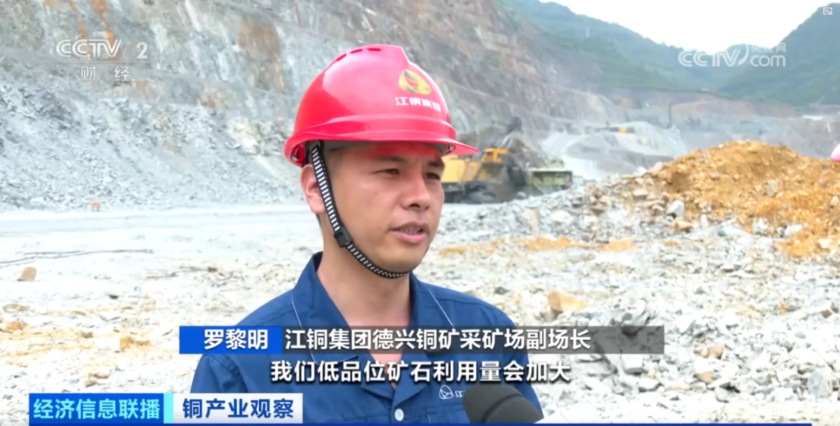
Luo Liming, Deputy Mine Manager at the Dexing Copper Mine of Jiangxi Copper Group: Because copper prices are high, the use of low-grade ore will increase; this year, it is expected to exceed 16 million metric tons.
To further expand production capacity, the mine has also intensified exploration efforts in surrounding mining areas. Some ore deposits previously considered worthless are now being utilized in an effort to revitalize existing resources.
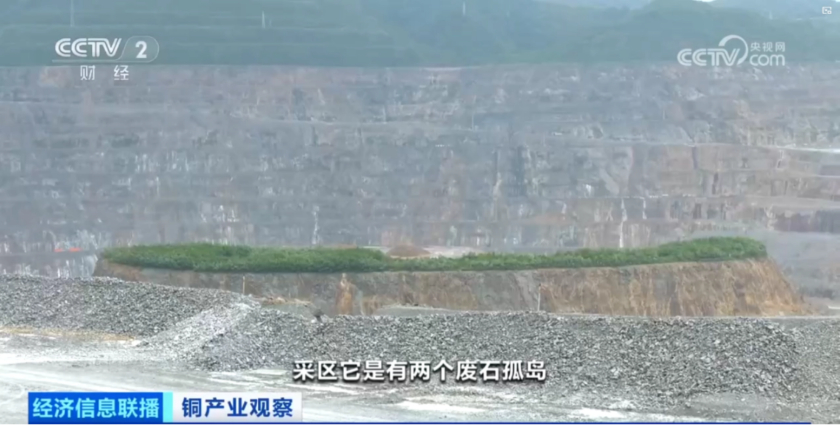
Wang Jia, Deputy Mine Manager of Jiangxi Copper Group’s Dexing Copper Mine: “There were two isolated waste rock islands in the mining area. After deepening and increasing the density of exploration boreholes around these islands, we discovered that—based on current market conditions and equivalent grade—they are entirely viable for development and utilization. Following a re-assessment, our ore reserves have increased by more than 10 million metric tons.”
So far this year, the price of 3-month copper futures on the London Metal Exchange (LME) has risen by nearly 10% cumulatively, stabilizing above $13,600 per metric ton in late May. Domestically, the benchmark Shanghai Copper futures contract rose from 92,000 yuan per metric ton at the end of March to nearly 105,000 yuan. Industry analysts note that, in addition to robust downstream demand, recent operational disruptions in major global copper mining regions have constrained supply-side production capacity. At the same time, the situation in the Middle East has disrupted the supply of sulfur—a key raw material for copper smelting—further exacerbating tightness in the copper spot market and collectively driving up copper prices.
Rising copper prices present both opportunities and challenges for upstream copper mining companies. From a financial perspective, mining and beneficiation profits across the entire copper industry surged in the first quarter, directly improving companies’ cash flow and ability to make capital expenditures. However, sharp price fluctuations—particularly one-sided increases—place higher demands on companies’ hedging capabilities, inventory management, and capital efficiency.
According to disclosed first-quarter reports, the 16 copper-related stocks listed on the A-share market collectively reported a net profit attributable to shareholders of 36.588 billion yuan in the first quarter, representing a substantial year-over-year increase of 81.41 percent.